Category: NBA (Page 22 of 595)

ESPN “dismisses” employee responsible for Jeremy Lin headline

New York Knicks Jeremy Lin stands on the court in the first quarter against the Sacramento Kings at Madison Square Garden in New York City on February 15, 2012. The Knicks defeated the Kings 100-85. UPI/John Angelillo

ESPN has released a statement following the backlash over Friday’s headline “Chink in the Armor,” which was either in reference to the Knicks losing their first game in 13 days or as a way to describe Asian-American Jeremy Lin. (Or both.)

Here’s ESPN’s statement, which is currently posted on the network’s official website:

At ESPN we are aware of three offensive and inappropriate comments made on ESPN outlets during our coverage of Jeremy Lin.

Saturday we apologized for two references here. We have since learned of a similar reference Friday on ESPN Radio New York. The incidents were separate and different. We have engaged in a thorough review of all three and have taken the following action:

• The ESPN employee responsible for our Mobile headline has been dismissed.

• The ESPNEWS anchor has been suspended for 30 days.

• The radio commentator is not an ESPN employee.

We again apologize, especially to Mr. Lin. His accomplishments are a source of great pride to the Asian-American community, including the Asian-American employees at ESPN. Through self-examination, improved editorial practices and controls, and response to constructive criticism, we will be better in the future.

I would rather believe that the headline was unintentional and just a massive oversight by ESPN employees because then that would mean racism never entered the minds of those involved. They simply posted “Chink in the Armor” because it served the purpose of describing that the Knicks finally displayed a weakness or a flaw since “Linsanity” started.

But then again I’m not that naïve. There are tons of other headlines that ESPN could have used to describe the loss. Here’s one: “Flawed after all.” It’s short and sweet, it rhythms, and hey, it’s devoid of any ethic slurs, which I think is its best attribute. Win-win-win.

Even if this situation was just a bad mistake, how anyone could be that dim as to not think the headline would cause a stir is beyond me. Headlines are supposed to draw attention, so you’re telling me people at ESPN didn’t stare at that thing 20 times before posting it to the site? It’s almost more believable that someone posted the headline as a terrible crack at humor rather than foolishly thinking it wouldn’t create controversy. And to use the slur twice in one day (once in print and once out of an anchor’s mouth) is brutal.

What’s done is done. ESPN took measures to correct the mistake and apologized, so it’ll take it’s medicine and hopefully learn from the experience.
Has the NBA Truly Regained Popularity?

Toronto Raptors forward Jamaal Magloire grabs a rebound against Washington Wizards forward Rashard Lewis (R) during the first half of their NBA basketball game in Toronto February 3, 2012. REUTERS/Mike Cassese (CANADA – Tags: SPORT BASKETBALL)

It was only just a few months ago that the NBA appeared to hit a new low. The planned opening night for the 2011-12 season had come and gone, but instead of competing on a court the league’s star players were going in and out of the negotiation room, desperately trying to make a deal with the owners without sacrificing any of their revenue or salary cap demands. These negotiations appeared to prove fruitless. The strike dragged on and on. As the two sides continued to remain as far apart as ever, the vitriol began to flow in the media and across the arbitration table. The owners appeared determined to sacrifice the season to make a point. The players, meanwhile, wouldn’t budge.

All the while, the NBA enjoyed some pretty dismal PR among its fan base. On message boards and sports news sites, articles about the ongoing lockout were repeatedly met with indifference and outright scorn. Good riddance!, said one such comment. Couldn’t care less, read another.

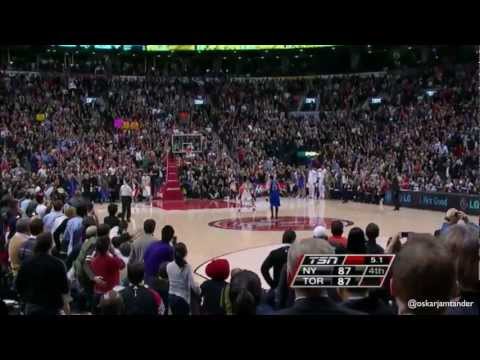
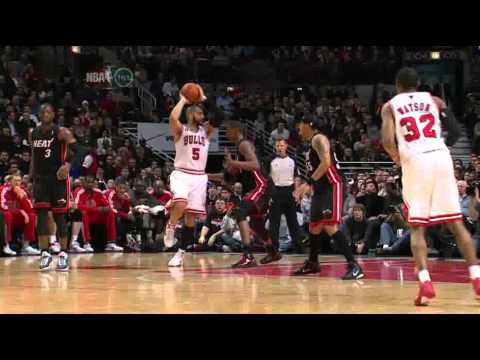
Fast forward a few months, and the shortened NBA season is nearing its halfway point. The quality of play has been mediocre, many of the top players are sidelined and wearing knee braces, and the negotiation settlement didn’t do anything to curb player or owner greed. Despite all this, an interesting development occurred in the interim: the NBA became more popular than ever. TV viewership has risen 23 percent on ESPN and 50 percent on TNT. Attendance through the first 325 games has averaged 17,095 across the league. That equates to 89 percent capacity and reflects a bump from 17,057 at this same time last year.

How can we read these numbers? Has the NBA actually regained – and even surpassed – its previous popularity after a bitter and protracted strike?

The short answer, based on the above stats, generally appears to be yes. Numbers don’t lie, and there’s no denying that a substantial bump in television viewership and a small increase in attendance reflect that the sport hasn’t lost its popularity, at the very least. But a closer analysis reveals a more mixed picture. While the attendance for the top ten teams remains unchanged from this same time last year, the bottom of the attendance pack has strung out considerably. Among this group the average attendance has dropped and several teams – mainly the Rockets, Nets, and Pistons – are reporting dismal numbers. Furthermore, attendance analysts suggest that the numbers for this season are all positively skewed; due to the warm weather that has dominated much of the nation this winter, a lack of snowy conditions has made it far easier for fans to get to the game.

As for the rise in TV viewership, much of that can be explained by the condensed schedule of play. Normally, the NBA season starts in the fall and needs to compete with professional and college football for a substantial portion of its season. This year, however, the strike helped the NBA avoid the peak period of competition and instead begin play during a down period for other major sports. Another important factor is that many of the most successful teams are located in the biggest metropolitan areas. These teams cover most of the major U.S. markets and are responsible for a huge chunk of television viewership.

So it’s undeniable that the NBA has returned strongly from the strike and that the bad blood and PR of the summer and fall has largely evaporated. But the numbers should certainly not be taken to mean that the league has returned stronger than ever.

Jeremy Lin drops 38 on Lakers

New York Knicks Jeremy Lin drives to the basket in the fourth quarter against the Los Angeles Lakers at Madison Square Garden in New York City on February 10, 2012. The Knicks defeated the Lakers 92-85 and Lin scores 38 points. UPI/John Angelillo

The Jeremy Lin story keeps getting more amazing. Naturally, some were questioning whether this kid from Harvard could sustain his incredible run against the Los Angeles Lakers, and then Lin went out and dropped 38 points on them.

Stop the Lin-sanity? The Lakers tried and tried. And failed. Badly.

The New York Knicks rolled over the Lakers, embarrassed them, really, fielding a lineup that would be laughable if not for Jeremy Lin.

The Lakers weren’t amused after Lin had 38 points and seven assists in the Knicks’ 92-85 victory Friday at Madison Square Garden.

Kobe Bryant was seething after the game, kicking a trash can in the locker room before quietly stewing at his locker in the corner. Lakers Coach Mike Brown tore into the team, telling players they needed to compete much better than the alleged 48 minutes they’d just logged.

It was another head-scratcher for the Lakers (15-12) in a season already filled with them.

This is a great story, though you have to wonder why Knicks coach Mike D’Antoni waited so long to play the kid. If it weren’t for injuries, the kid would still be wasting away on the bench. Didn’t he show off these skills in practice?

In any event, the NBA has a new star, at least for the moment. Let’s see if the Lin show continues.

« Older posts Newer posts »